The Best Apartment Dogs + A Complete Breed Guide for Urban Living
Can You Really Have a Dog in an Apartment?
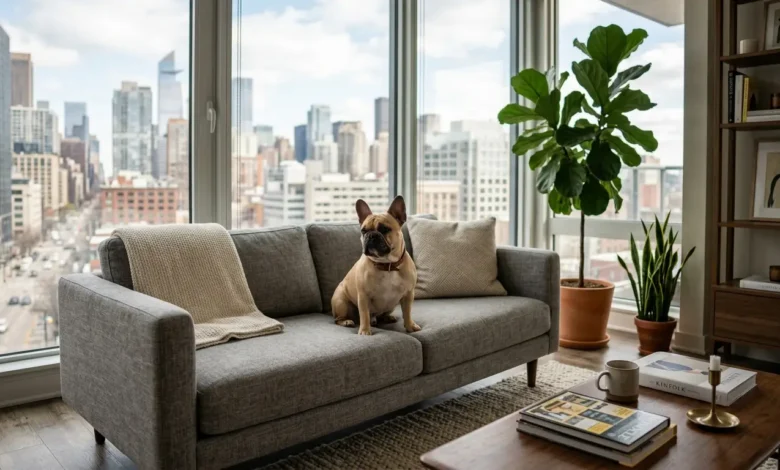
The short answer is yes and millions of city dwellers prove it every day. But not every dog thrives between four walls and a narrow hallway. The key isn’t just picking the smallest dog you can find. It’s understanding which breeds are genuinely wired for compact, urban life.
As animal behavior specialists often emphasize, the right match between a dog’s temperament and its living environment is one of the strongest predictors of long-term wellbeing for both the pet and the owner. A dog that feels comfortable, mentally engaged, and emotionally secure in a small space will be a joy to live with. One that doesn’t? That’s where the problems start chewed furniture, endless barking, and a stressed-out dog who deserves better.
This guide breaks down everything you need to know: the traits that make a breed apartment-ready, the top breeds to consider, expert tips for raising a happy dog in a small space, and answers to the questions apartment dwellers ask most.
What Actually Makes a Dog “Apartment-Friendly”?
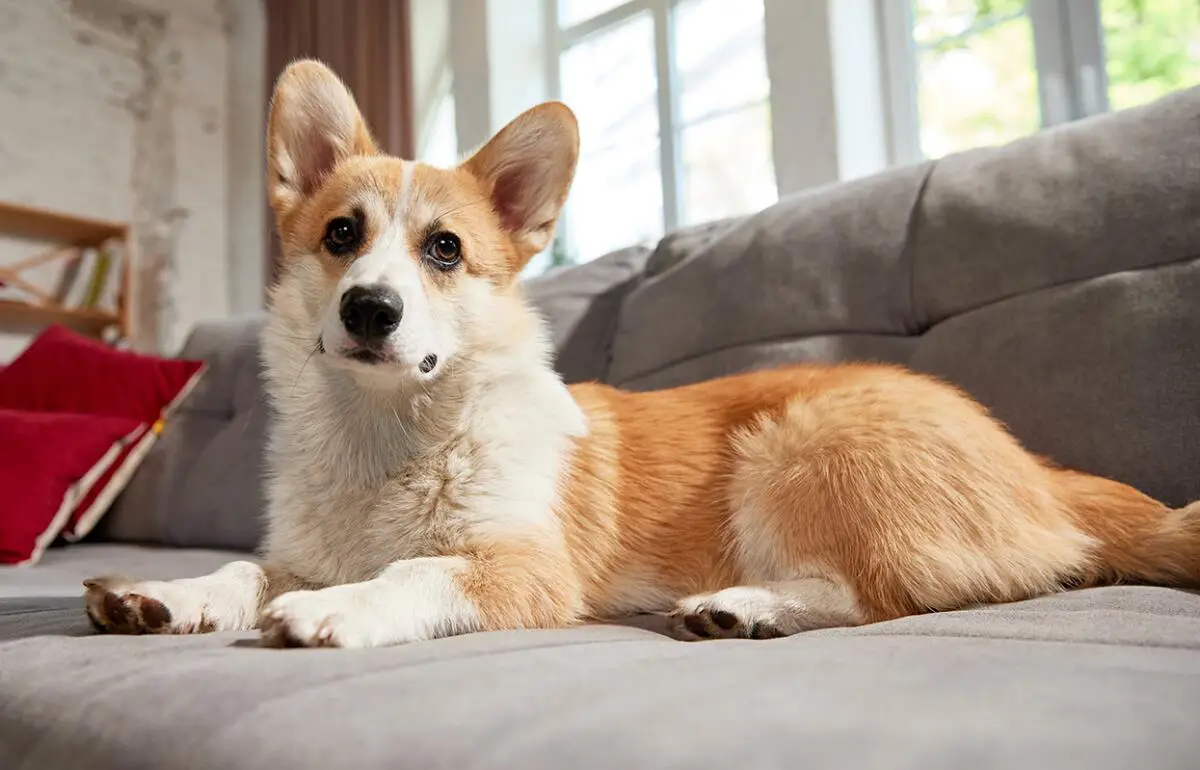
Size is the first thing people think about, but it’s honestly not the most important factor. A calm, low-energy Great Dane can be a better apartment dog than a hyperactive Jack Russell Terrier who needs to run five miles a day.
Here are the traits that actually matter:
Energy Level
Low to moderate energy dogs are far more content in limited spaces. High-energy breeds that don’t get enough exercise tend to become destructive, anxious, or vocal none of which make for a happy apartment.
Barking Tendency
In an apartment building, noise travels. A dog that barks at every passing footstep or closing door will quickly become a source of tension with neighbors.
Shedding
Heavy shedders can make a small apartment feel dirty fast. They also pose a real problem for allergy sufferers. Low-shedding or hypoallergenic breeds are much easier to manage in tight quarters.
Temperament and Trainability
Calm, adaptable dogs that respond well to training settle into apartment routines far more smoothly. Stubborn or anxious breeds require significantly more effort.
Sociability
Dogs that are friendly toward strangers, neighbors, and other animals make communal living shared elevators, lobbies, and hallways much less stressful.
Key Questions to Ask Before Choosing Your Apartment Dog
Before you fall in love with a breed, run through this checklist honestly:
- What are your building’s pet policies? Many apartments have weight limits or breed restrictions.
- How many hours a day will your dog be alone? Some breeds handle solitude well; others spiral into separation anxiety.
- How active are you? A moderately active person can handle a Miniature Poodle or Whippet. A couch-oriented lifestyle pairs better with a Bulldog or Pug.
- Do you or anyone in your home have allergies? If so, hypoallergenic breeds are non-negotiable.
- Do you have children or other pets? Some breeds are naturally more patient and sociable; others prefer to be the only animal in the home.
The Top 21 Best Dog Breeds for Apartment Living
1. French Bulldog
| Trait | Rating |
|---|---|
| Shedding | Low |
| Barking | Low |
| Energy | Low |
| Trainability | Medium |
If there were a dog bred specifically for apartment life, the French Bulldog would be it. Compact, quiet, and deeply affectionate, Frenchies are one of the most popular urban breeds in the world and for good reason. They don’t need extensive exercise; a 30-minute daily walk keeps them healthy and content.
One important note: French Bulldogs are brachycephalic (flat-faced), meaning they can struggle in hot weather. Keep them cool, especially during summer months, and avoid overexertion.
“French Bulldogs are exceptionally well-suited to apartment environments. Their low exercise requirements and calm temperament make them ideal for urban living, provided their mental stimulation needs are met.” American Kennel Club (AKC) Breed Information, 2024
2. Cavalier King Charles Spaniel
| Trait | Rating |
|---|---|
| Shedding | Medium |
| Barking | Medium |
| Energy | Medium |
| Trainability | Easy |
Often called the “king of lapdogs,” the Cavalier King Charles Spaniel was practically designed for close human companionship. These dogs form deep bonds with their owners and genuinely prefer being near you which makes a smaller apartment feel like a dream home to them rather than a limitation.
They adapt well to both active and quieter lifestyles. They’re good with children and other pets, making them a versatile choice for families in apartments.
3. Bichon Frise
| Trait | Rating |
|---|---|
| Shedding | Low |
| Barking | Low |
| Energy | Medium |
| Trainability | Easy |
Weighing between 12 and 18 pounds and standing just 9 to 12 inches tall, the Bichon Frise is a cheerful, adaptable little dog that checks nearly every box for apartment living. Their hypoallergenic coat is a significant advantage for allergy sufferers, and their gentle, eager-to-please nature makes training straightforward.
A short daily walk is enough to keep a Bichon Frise physically satisfied. The rest of their day? They’re perfectly happy sitting on the couch beside you.
4. Pug
| Trait | Rating |
|---|---|
| Shedding | Medium |
| Barking | Low |
| Energy | Low |
| Trainability | Medium |
Pugs are natural apartment dogs. They’re calm, loving, and genuinely uninterested in running marathons. They don’t bark much, which is a considerable bonus in any shared building. Their main “noise” complaint is snoring which some owners find endearing and others find less so.
The one caveat: Pugs shed more than you might expect from a short-haired dog, particularly in spring and fall. Regular grooming and a good vacuum are your best tools here. Like French Bulldogs, they’re also sensitive to heat due to their flat faces.
5. Maltese
| Trait | Rating |
|---|---|
| Shedding | Low |
| Barking | Low |
| Energy | Low |
| Trainability | Easy |
At under 10 pounds and 8 to 10 inches tall, the Maltese is one of the smallest dog breeds in the world. They’re sweet, playful, and deeply affectionate and their hypoallergenic coat makes them one of the best choices for allergy-prone households.
One thing to keep in mind: Maltese don’t do well with extended alone time. They can become anxious, and in some cases, resentful toward other pets when left alone frequently. They thrive in homes where someone is around for most of the day.
6. Shih Tzu
| Trait | Rating |
|---|---|
| Shedding | Medium |
| Barking | Medium |
| Energy | Low |
| Trainability | Medium |
The name “Shih Tzu” translates from Mandarin as “little lion,” but their personality is far more cuddly than fierce. These tiny dogs under 15 pounds and 9 to 12 inches tall have easygoing, affectionate temperaments perfectly suited to apartment living.
Their exercise needs are minimal. A few short play sessions within the apartment plus a daily walk are usually enough. They do tend to be vocal, so early training to manage unnecessary barking is worthwhile.
7. Miniature Poodle
| Trait | Rating |
|---|---|
| Shedding | Low |
| Barking | Medium |
| Energy | High |
| Trainability | Medium |
Standing 11 to 15 inches tall and weighing 15 to 18 pounds, the Miniature Poodle is the ideal breed for active apartment dwellers. They are highly intelligent, deeply social, and love both indoor and outdoor activity. Their hypoallergenic coat is a significant bonus.
The key with Miniature Poodles is engagement. They need both physical exercise and mental stimulation to be content. Puzzle toys, training games, and regular outdoor time are essential. An under-stimulated Poodle will find their own entertainment and you probably won’t like what they choose.
8. Boston Terrier
| Trait | Rating |
|---|---|
| Shedding | Low |
| Barking | Low |
| Energy | Medium |
| Trainability | Easy |
With their distinctive tuxedo-like black and white markings, Boston Terriers are easy to love. They are playful and energetic, but adapt well to apartment life with consistent exercise and indoor play. They shed minimally and rarely bark without cause.
Boston Terriers are relatively low-maintenance and bond strongly with their owners. They’re a particularly good fit for first-time dog owners in urban environments.
9. Havanese
| Trait | Rating |
|---|---|
| Shedding | Low |
| Barking | Low |
| Energy | Medium |
| Trainability | Easy |
Standing 9 to 12 inches and weighing 8 to 14 pounds, the Havanese is a playful, affectionate breed that adapts quickly to indoor life. They are quick learners, love to cuddle, and bark very infrequently making them excellent neighbors.
Their coat requires daily grooming to prevent matting, so factor that into your routine. But in terms of apartment compatibility, the Havanese scores extremely high across nearly every metric.
10. Chihuahua Maximum Personality in Minimum Space
| Trait | Rating |
|---|---|
| Shedding | Medium |
| Barking | Medium |
| Energy | Medium |
| Trainability | Medium |
At under 6 pounds and shorter than 10 inches, the Chihuahua is perfectly sized for any apartment even a studio. They are loyal, bold, and deeply attached to their owners.
Chihuahuas do best as the sole pet in the household. They can be territorial and reactive around other animals. They also tend to bark when they feel threatened or overstimulated, so early socialization and training are important for apartment harmony.
11. Yorkshire Terrier
| Trait | Rating |
|---|---|
| Shedding | Low |
| Barking | High |
| Energy | Medium |
| Trainability | Easy |
Yorkies are courageous, affectionate, and surprisingly energetic for their size. They adapt well to apartment life and form strong bonds with their owners. Their low-shedding coat is a definite plus.
The main challenge with Yorkies is their vocal nature. They love to observe their surroundings and aren’t shy about announcing what they see. Consistent training from an early age can significantly reduce excessive barking.
12. Pekingese
| Trait | Rating |
|---|---|
| Shedding | Medium |
| Barking | Low |
| Energy | Low |
| Trainability | Hard |
The Pekingese is a notably independent dog they don’t need constant attention and are perfectly content with minimal exercise. For apartment dwellers with a quieter lifestyle, this can be an excellent match.
Training requires more patience than most breeds. Pekingese are strong-willed and can be stubborn when asked to learn new behaviors. Their luxurious coat also requires daily grooming. But for the right owner, their calm, dignified personality is deeply rewarding.
13. Affenpinscher
| Trait | Rating |
|---|---|
| Shedding | Low |
| Barking | Low |
| Energy | Medium |
| Trainability | Medium |
The Affenpinscher’s monkey-like face is just the beginning of what makes this toy breed so distinctive. They are curious, playful, and more interested in mental stimulation than physical exercise which suits apartment life well.
They can be wary of strangers, a trait inherited from their Terrier lineage. Proper socialization helps prevent this from developing into excessive barking or anxiety.
14. Bulldog
| Trait | Rating |
|---|---|
| Shedding | Low |
| Barking | Low |
| Energy | Low |
| Trainability | Medium |
The Bulldog is, in the best possible way, a couch potato. They love nothing more than lounging beside their owner. They don’t bark much, they don’t need extensive exercise, and they get along well with children and other pets.
They do snore, snort, and grunt loudly. And like all brachycephalic breeds, they need to be kept cool in warm weather. But for apartment dwellers who want a calm, affectionate medium-sized dog, the Bulldog is hard to beat.
15. Italian Greyhound
| Trait | Rating |
|---|---|
| Shedding | Low |
| Barking | Low |
| Energy | Medium |
| Trainability | Medium |
Weighing under 15 pounds with a graceful, slender build, the Italian Greyhound is an affectionate and playful apartment companion. They bond intensely with their owners and prefer calm, quiet environments.
Noisy or chaotic households can cause stress for this sensitive breed. But in a calm apartment with a devoted owner, an Italian Greyhound will thrive and remain loyal for life.
16. Coton de Tuléar
| Trait | Rating |
|---|---|
| Shedding | Low |
| Barking | Low |
| Energy | Medium |
| Trainability | Medium |
Named for the city of Tuléar in Madagascar and their cotton-like white coat, the Coton de Tuléar is a sweet, playful, hypoallergenic breed that adapts easily to small spaces. They rarely bark and get along well with people and other animals.
Their one significant need is companionship. They don’t do well alone for long hours. They’re best suited for remote workers, retirees, or families where someone is regularly home.
17. Whippet
| Trait | Rating |
|---|---|
| Shedding | Low |
| Barking | Low |
| Energy | High |
| Trainability | Medium |
It might seem counterintuitive to include a high-energy racing breed on this list, but Whippets are genuinely well-adapted to apartment living with one condition: they need at least two solid walks per day.
When a Whippet’s exercise needs are met, they transform into remarkably calm, affectionate, quiet housemates. They shed very little, rarely bark, and are deeply devoted to their families. An under-exercised Whippet, however, can become destructive and anxious.
18. Greyhound
| Trait | Rating |
|---|---|
| Shedding | Low |
| Barking | Low |
| Energy | Medium |
| Trainability | Easy |
Yes, the world’s fastest dog can live happily in an apartment. Greyhounds are famously laid-back indoors, spending much of their day lounging elegantly across any available soft surface. They need daily walks and occasional sprints in enclosed spaces, but their overall exercise requirements are more moderate than their racing reputation suggests.
They are larger dogs 26 to 30 inches tall, 65 to 85 pounds so a spacious apartment is preferable. But their gentle, quiet nature makes them one of the most surprisingly successful apartment breeds.
19. Basset Hound Scent-Driven and Surprisingly Calm
| Trait | Rating |
|---|---|
| Shedding | Medium |
| Barking | High |
| Energy | Low |
| Trainability | Medium |
Basset Hounds are calm, loyal, and low-energy but they carry a significant caveat: they are among the loudest barkers of any breed. When left alone, they tend to howl, which is a serious concern in apartment buildings.
With proper training and ensuring they’re not left alone for extended periods, Basset Hounds can adapt to apartment life. Indoor scent games are excellent mental enrichment for this nose-driven breed.
20. Shiba Inu
| Trait | Rating |
|---|---|
| Shedding | High |
| Barking | Medium |
| Energy | High |
| Trainability | Medium |
The Shiba Inu is one of Japan’s national dogs and their independent, spirited personality reflects their heritage. They can live in apartments, but they require significant daily exercise and mental stimulation. An under-exercised Shiba Inu is a destructive one.
Their shedding is heavy, particularly during seasonal coat blows. Regular brushing is essential. For active owners who can commit to their exercise needs, the Shiba Inu is a deeply rewarding companion.
21. American Eskimo Dog The Social Miniature
| Trait | Rating |
|---|---|
| Shedding | Medium |
| Barking | Medium |
| Energy | Medium |
| Trainability | Medium |
Weighing 20 to 30 pounds with an average height of 10 inches, the American Eskimo Dog (Miniature variety) is a well-behaved, cheerful companion. They need regular physical exercise and mental stimulation, and they shed consistently throughout the year.
With regular grooming and adequate daily activity, Eskies are happy, well-adjusted apartment dogs with a warm and sociable personality.
Apartment Dog Breeds at a Glance
| Breed | Size | Shedding | Barking | Energy | Best For |
|---|---|---|---|---|---|
| French Bulldog | Small | Low | Low | Low | Everyone |
| Cavalier King Charles Spaniel | Small | Medium | Medium | Medium | Families |
| Bichon Frise | Small | Low | Low | Medium | Allergy sufferers |
| Pug | Small | Medium | Low | Low | Relaxed owners |
| Maltese | Tiny | Low | Low | Low | Stay-at-home owners |
| Shih Tzu | Small | Medium | Medium | Low | Families |
| Miniature Poodle | Small | Low | Medium | High | Active owners |
| Boston Terrier | Small | Low | Low | Medium | First-time owners |
| Havanese | Small | Low | Low | Medium | Social owners |
| Chihuahua | Tiny | Medium | Medium | Medium | Single-pet homes |
| Yorkshire Terrier | Tiny | Low | High | Medium | Active owners |
| Greyhound | Large | Low | Low | Medium | Spacious apartments |
| Bulldog | Medium | Low | Low | Low | Laid-back owners |
| Whippet | Medium | Low | Low | High | Active owners |
| Italian Greyhound | Small | Low | Low | Medium | Calm households |
Expert Tips for Raising a Happy Dog in an Apartment
Establish a Consistent Routine
Dogs are creatures of habit. Feeding, walking, and playtime at consistent times each day reduces anxiety and helps dogs feel secure in their environment.
Prioritize Mental Stimulation
Physical exercise alone isn’t enough. Puzzle feeders, scent games, and training sessions engage your dog’s mind and prevent the boredom that leads to destructive behavior. According to the Journal of Veterinary Behavior, mental enrichment is directly linked to reduced stress responses in domestic dogs.
Create a Dedicated Space
Give your dog their own corner a comfortable bed, their toys, and a sense of ownership over a small area. This helps them feel settled rather than rootless in a smaller home.
Train for Noise Management Early
Teach a “quiet” command from the moment you bring your dog home. Consistent reinforcement of calm behavior in response to hallway sounds, neighbors, and building noises prevents reactive barking from becoming a habit.
Socialize Regularly
Regular exposure to other dogs, people, and urban environments builds confidence and reduces anxiety-driven behaviors. Dog parks, group training classes, and neighborhood walks all serve this purpose.
Use the Right Gear
Harnesses are generally better than collars for city dogs navigating stairs, elevators, and busy sidewalks. Retractable leashes should be avoided in high-traffic urban settings for safety reasons.
Common Challenges in Apartment Dog Ownership (And How to Handle Them)
Separation Anxiety
Many apartment-friendly breeds are deeply bonded to their owners, which can tip into anxiety when left alone. Gradual desensitization leaving for short periods and slowly extending the duration is the most effective approach. Calming aids such as pheromone diffusers (like Adaptil) can support this process.
Excessive Barking
Triggered by sounds in the hallway, outside the window, or from neighboring units. Address this with training, ensuring adequate exercise, and providing mental enrichment to reduce boredom-based barking.
Limited Exercise Space
Compensate with two or three daily walks, visits to local dog parks, and indoor enrichment activities. Even a 15-minute training session burns more mental energy than a passive 30-minute walk.
Shedding in Small Spaces
Regular brushing, a quality vacuum, and choosing a lower-shedding breed from the start are the most practical solutions. Air purifiers with HEPA filters also help manage airborne allergens.
Neighbor Relations
Be proactive. Introduce your dog to neighbors early, keep up with training, and clean up immediately after outdoor bathroom breaks. Respectful habits make apartment dog ownership smoother for everyone.
Frequently Asked Questions
Do dogs get depressed in apartments?
Not inherently. Dogs don’t evaluate their happiness based on square footage they evaluate it based on the quality of their relationships, exercise, and mental engagement. A well-exercised, loved dog in a small apartment is far happier than a neglected dog in a large house.
Can large dogs live in apartments?
Yes, if they have a calm temperament and their exercise needs are consistently met. Greyhounds, Bulldogs, and Basset Hounds are all larger breeds that can thrive in apartments.
What is the quietest dog breed for apartment living?
Basenjis, Italian Greyhounds, Whippets, and French Bulldogs are among the quietest. The Basenji is famously called the “barkless dog” though they do make a unique yodel-like sound when excited.
Are hypoallergenic dogs really better for apartments?
“Hypoallergenic” is a relative term no dog is 100% allergen-free. But breeds like the Bichon Frise, Maltese, Havanese, and Miniature Poodle produce fewer allergens and shed less, which significantly reduces reactions in sensitive individuals.
Should I adopt a rescue dog for apartment living?
Absolutely. Many rescue dogs mixed breeds included are wonderfully adaptable. A reputable shelter can help match you with a dog whose energy level and temperament suit apartment living. Mixed breeds often combine the best traits of their parent breeds and tend to be resilient, grateful companions.
Final Thoughts
There is no shortage of dog breeds capable of living happily in an apartment. From the tiny Chihuahua to the sleek Greyhound, the diversity of apartment-friendly dogs means almost any lifestyle can find its match.
The most important thing to remember is this: apartment suitability is never just about a breed’s size. It’s about energy, temperament, trainability, and the commitment of the owner to meet their dog’s needs within a smaller environment. A dog that gets regular walks, mental engagement, and consistent affection will thrive regardless of how many square feet they share with you.
Choose thoughtfully, commit fully, and the right dog will be one of the best decisions you ever make.
